Camarão à Coentrada com Alho Dourado
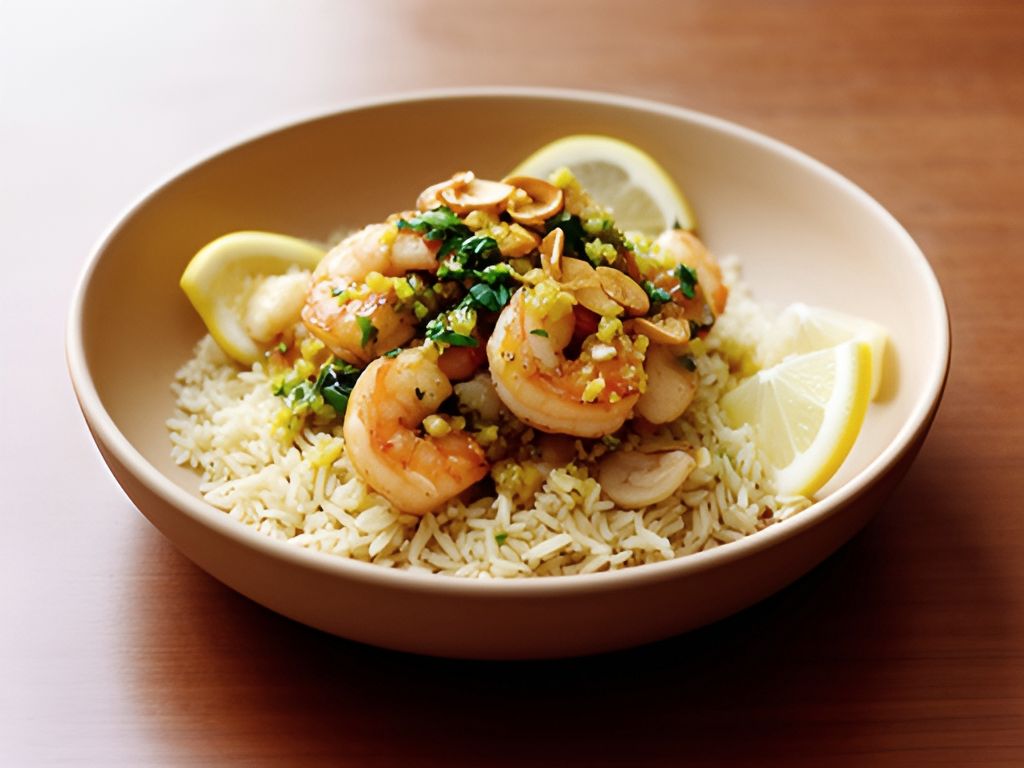
Shrimp seared in shell oil, dressed off the heat with a raw cilantro-lemon mojo built on golden garlic, over pilaf rice
Yield: 4 portions
Portion: ~150g shrimp, rice and ~60ml sauce
Prep: 20m
Cook: 35m
Total: 55m
Ingredients
Shrimp and dry brine
- 800 g raw shell-on shrimp, 16/20 count, peeled and deveined, shells kept — yields ~600g peeled. Head-on if you can get them
- 6 g fine salt, for the dry brine
- 1.5 g bicarbonate of soda, for the dry brine
Shell oil
- 60 ml extra-virgin olive oil, a robust cooking oil; the shells come from the shrimp above
Pilaf rice
- 300 g long-grain rice, rinsed until the water runs clear
- 480 ml water
- 4 g fine salt
- 1 lemon peel, one strip, no pith
Golden garlic oil
- 80 ml extra-virgin olive oil
- 45 g garlic, about 8 large cloves — weigh them, clove size varies by a factor of two. Germ removed, sliced 1.5–2mm
- 2 g dried oregano, Greek or Sicilian on the branch, rubbed between the palms
- 1.5 g cumin seed, lightly crushed
Cilantro-lemon mojo
- 60 g fresh cilantro (coriander), leaves and tender upper stems, washed well ahead and dried thoroughly
- 5 g raw garlic, one clove, germ removed
- 1 untreated lemon, finely grated zest only
- 40 ml lemon juice, split: 20ml into the blender, 20ml at the finish
- 4 g fine salt
- 1 g black pepper, coarsely ground
- 1 small green chilli, deseeded — the Canarian edge(optional)
- 30 g ice cubes, two cubes
- 40 ml extra-virgin olive oil, streamed in at the end of blending
To finish
- 10 ml unfiltered finishing olive oil, grassy and peppery — the one place an expensive bottle earns its price
- 1 lemon, cut into wedges for the table
Method
Peel and dry-brine the shrimp
- 1
Peel and devein the 800 g shell-on shrimp, keeping every shell (and head, if they came head-on) in a separate bowl. You should have roughly 600g of peeled shrimp.
10mTip: This is the clock that everything else runs against, so it goes first. If you only find peeled shrimp, buy frozen raw shell-on instead and thaw it overnight in the fridge: frozen-raw beats fresh-looking-but-pre-cooked every time.
- 2
Toss the peeled shrimp with the 6 g fine salt and 1.5 g bicarbonate of soda and refrigerate for 30 minutes, up to an hour.
30mThe salt partially dissolves myosin so the flesh holds its water under heat. The bicarbonate raises surface pH, which gives the snappy bite and accelerates Maillard browning, so you get colour in 60 seconds instead of 150. That difference is the whole reason the shrimp stay juicy. Past an hour the texture turns spongy and faintly soapy; set a timer.
Shrimp Dry Brine (Salt + Baking Soda)
Shell oil (while the shrimp brine)
- 3
Put the reserved shells in a small saucepan with the 60 ml olive oil over medium heat and cook, pressing down with a spoon, for 5–6 minutes until the shells turn deep coral and the oil smells sweet and toasted. Strain through a fine sieve, pressing hard, and discard the shells. You should have about 50ml of orange oil.
6mmediumAstaxanthin, the pigment that turns the oil coral, is fat-soluble and carries the roasted-crustacean aromatics with it. Peeled tails seared in a pan cannot generate that flavour; this is where the dish gets the umami and sweetness it otherwise has none of.
Tip: If you skip this step, use plain olive oil and accept a flatter dish. Head-on shrimp roughly double the intensity of the oil.
Pilaf rice
- 4
Toast the 300 g rinsed rice in 15ml (1 tbsp) of the shell oil in a heavy pan for 2 minutes until the grains turn chalky-opaque. Add the 480 ml water, 4 g salt and 1 strip of lemon peel, bring to the boil, cover and drop to the lowest heat for 18 minutes. Rest off the heat, still covered, for 10 minutes. Fluff with a fork just before serving.
30mThe rice is not a side here. It is the sponge for a sauce that is mostly olive oil, so it has to be seasoned in its own right.
Tip: Once rested it holds covered off the heat for well over an hour, so it can go on as early as you like.
Golden garlic oil
- 5
Split the 45 g garlic cloves, flick out any green germ, and slice them thin and even, 1.5–2mm.
5mUneven slices brown unevenly, and one scorched sliver poisons the whole batch with acrid pyrazines. The germ is genuinely bitter and concentrates as the slices brown; at 45 g of garlic that stops being a rounding error.
Garlic-Oil Infusion (Two-Stage Method) - 6
Put the slices in a small pan with the 80 ml olive oil, cold, and bring the heat up slowly to a lazy simmer: oil around 140–150°C, bubbling around the edges of the slices, not spitting. Cook 6–8 minutes until the slices are the colour of pale honey, then pull the pan off the heat immediately.
8m140-150°C oilThe slices carry over one full shade darker in the residual oil, so pull them early. Golden garlic is sweet, nutty and mellow; brown garlic is bitter, and there is no rescuing a bitter sauce with more lemon. When the fine fizz around the slices turns lazy and coarse, you have about ninety seconds left.
Garlic-Oil Infusion (Two-Stage Method) - 7
Lift out about a quarter of the slices, roughly two cloves' worth, onto paper towel. The rest stay in the oil.
1mTip: They crisp as they cool and go back over the dish at the end, as texture and as the visible ajillo element that searing in shell oil would otherwise take away.
- 8
Off the heat, while the oil is still around 100°C, stir in the 2 g dried oregano and 1.5 g crushed cumin seed for 30 seconds. Then let everything cool to below 50°C, about 10 minutes. Once cool, spoon off 15ml (1 tbsp) of the garlic oil into a small cup and keep it by the stove for the sear.
10moff the heatDo not rush the cooling. Hot oil hitting cilantro in a blender is how you get a khaki sauce that tastes of cooked coriander.
Garlic-Oil Infusion (Two-Stage Method)Tip: Dried oregano's carvacrol and thymol are fat-soluble and locked up in the dry leaf; thrown raw into a cold blender they taste dusty and hay-like. Thirty seconds in warm oil opens them completely.
Cilantro-lemon mojo
- 9
Into a blender go the 60 g cilantro leaves and tender stems, the cooled garlic slices still in the pan with all their oil, the 5 g raw garlic clove, the zest of 1 lemon, 20ml of the 40 ml lemon juice, the 4 g salt, 1 g black pepper, 1 deseeded green chilli if using, and the 30 g ice. Blend in short pulses, scraping down between them, and stop while you can still see flecks of green.
2mSustained blending heats the mixture past 40°C, which accelerates the polyphenol oxidase reaction that browns herb sauces, and over-shearing extracts bitter phenolics from the stems. The ice absorbs blade friction and thins the sauce to a spoonable, barely emulsified consistency.
Cold Emulsified Raw-Herb SauceTip: The upper stems carry more of cilantro's aldehydes than the leaves do. They are the most underused part of the bunch.
- 10
With the motor on its lowest speed, stream in the 40 ml olive oil to bring it together. You should have about 250ml of sauce. Taste it cold: it should be aggressively salty and sharp. Leave it to stand 15–20 minutes while you sear.
2mIt will be diluted by 600g of shrimp and served against starch, so season it to taste slightly too intense on the spoon. Fifteen to twenty minutes lets the salt and garlic bleed into the oil; an hour dulls it from jade to olive.
Cold Emulsified Raw-Herb Sauce
Sear, dress and serve
- 11
Take the shrimp out of the brine and pat them bone dry on paper towel, then pat again.
2mSurface water has to boil off before the surface can brown, and every second spent doing that is a second the interior spends cooking. Wet shrimp is the single biggest cause of grey, steamed shrimp.
Shrimp Dry Brine (Salt + Baking Soda) - 12
Heat a 28–30cm heavy skillet properly over medium-high, add the remaining shell oil (about 35–40ml) and lay the 600g shrimp down in a single, uncrowded layer. Leave them 60–75 seconds, until the underside is spotted deep pink-brown and the edges have curled.
1mmedium-high28-30cm heavy skillet600g is the ceiling for a 30cm pan. If they do not all fit with space between them, do two batches: crowding drops the pan below the browning threshold and you steam them grey. Do not fidget with them on the first side.
Shrimp Searing & Doneness Control - 13
Flip the shrimp and, as you do, spoon in the reserved 15ml garlic oil. Give them 30–45 seconds more and pull them at 50–52°C internal.
1mmedium-highCarryover in the hot pan takes them to 54–57°C: opaque, juicy and still yielding. Without a probe, read the shape: a loose C is right, a tight O is overcooked.
Shrimp Searing & Doneness ControlTip: The spoon of garlic oil is the one thing the shell-oil sear would otherwise lose. Garlic blooming in a hot pan is an aroma event, even though the bulk of the garlic arrives cold in the sauce a minute later.
- 14
Take the pan off the burner and wait 60 seconds, until it is below 70°C. Add the sauce and toss.
1moff the heatThis is the step that separates this dish from every version that adds the sauce to a hot pan. Heat on an already acidified herb sauce converts chlorophyll to olive-brown pheophytin, boils off the volatile aromatics and breaks the oil out of suspension into a greasy slick. Off the heat it stays green, clings and tastes of raw herb.
Cold Emulsified Raw-Herb Sauce - 15
Finish with the remaining 20ml lemon juice and the 10 ml raw finishing olive oil, stirred through.
1mTip: Late acid reads far brighter than acid that has sat in a blender, and the raw oil restores the peppery polyphenols the heat stripped out. Same lemon, two registers.
- 16
Fluff the rice and serve immediately: shrimp over the rice, the pan juices scraped out over the top, the reserved crisp garlic slices scattered over, 1 lemon, cut into wedges, alongside.
2mTip: Nothing in this dish survives sitting once it is assembled.
Allergens
Dietary
Storage & Shelf Life
Refrigerated
Temperature: 0-4°C
Shelf life: 1 day
Freeze: Not recommended
Eat it immediately. Reheating cooks the herb sauce, which goes olive-brown and loses its aroma, and takes the shrimp past their window. If you must, warm the shrimp and rice gently in a pan over low heat and stir the sauce through off the heat. Never use the oven's regeneration function: sustained gentle heat turns shrimp to rubber and splits the oil out of the sauce.
Plating
Rice in warm shallow bowls, shrimp on top with the jade-green sauce clinging to them, pan juices scraped over so the rice takes the oil. A thin bead of oil separating at the edge of the sauce after a few minutes is normal and correct.
Garnish: The reserved crisp golden garlic slices and lemon wedges
Serve in: Warm shallow bowls
Temperature: Hot shrimp and rice, cool sauce — serve immediately
Techniques Used
The Story Behind This Dish
“It started as a recipe seen in passing: garlic browned in olive oil, blended with cilantro, lemon, oregano and more oil, shrimp cooked two minutes in the garlic oil, sauce in the pan, rice alongside. The dish sits where three traditions meet. The method is Andalusian gambas al ajillo, the sauce is a Canarian mojo verde, and cilantro on shellfish is Portuguese coentrada, which is where the name comes from. It is not the site's Gambas ao Alhinho, and the difference is the point. Alhinho is an Algarvian petisco where the hot garlic oil is the sauce, finished with wine, brandy and butter and mopped up with bread. Here the garlic is split three ways and most of it arrives cold: fried to honey-gold and blended into a raw green sauce, crisped as a garnish, and a single spoonful bloomed in the pan. The shrimp are seared in oil rendered from their own shells, which gives the dish the umami and sweetness it otherwise lacks, and the sauce goes in only after the pan has dropped below 70°C, so it stays green and tastes of raw herb. Rice, not bread, makes it a main course. The garlic was calibrated after the first draft, from 35g to 45g fried plus one raw clove: about 8g per 100g of shrimp, upper-middle of the ajillo range, because the garlic here also has to season a sauce and a pan of rice.”
Wine pairing: A crisp Alvarinho or a Vinho Verde — citrus and salinity for the lemon and cilantro, no oak to fight the garlic.
Disclaimer: The information provided in this recipe, including preparation methods, storage guidelines, and shelf-life recommendations, is for general guidance only. We accept no responsibility for any foodborne illness or adverse effects resulting from the preparation, handling, storage, or consumption of food made using this recipe. Always follow safe food handling practices and consult official food safety guidelines.
Comments are not configured yet.